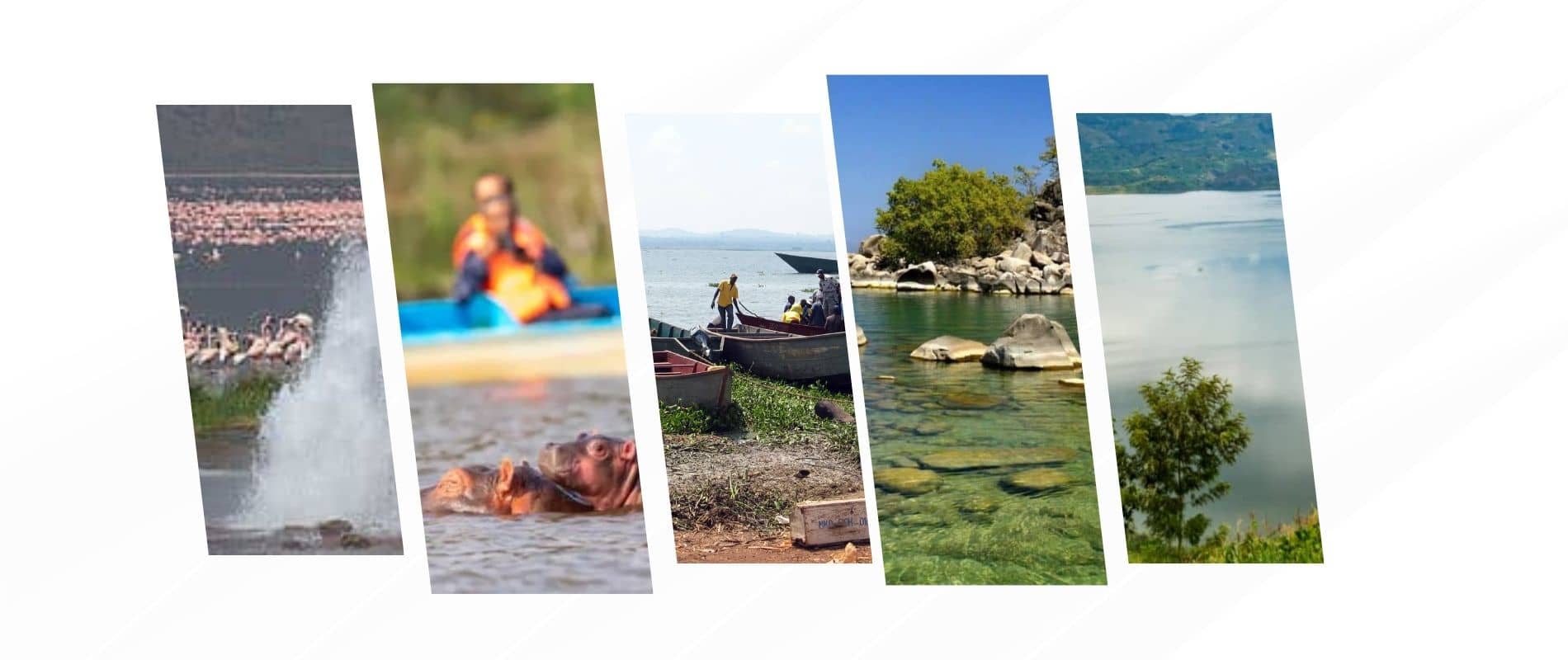
East Africa is a land of unparalleled natural beauty, and its lakes are among its most captivating treasures. These shimmering bodies of water, set against the backdrop of lush landscapes and dramatic Rift Valley escarpments, offer serene escapes for travellers seeking tranquillity, adventure, and a deep connection with nature. Whether you’re a wildlife enthusiast, a birdwatcher, or simply someone who loves breathtaking scenery, the lakes in East Africa promise unforgettable experiences.
But what makes these lakes so extraordinary? Let’s embark on a journey to explore the enchanting lakes of East Africa, their unique features, and why they should be at the top of your travel bucket list.
What Are the Major Lakes Found in East Africa?
East Africa is home to some of the world's most iconic and diverse lakes. These lakes vary in size, depth, and ecological significance, offering visitors a wide range of experiences. Here’s a detailed look at the top 10 lakes in East Africa that every traveller should consider visiting:
1. Lake Victoria: The Giant of East Africa
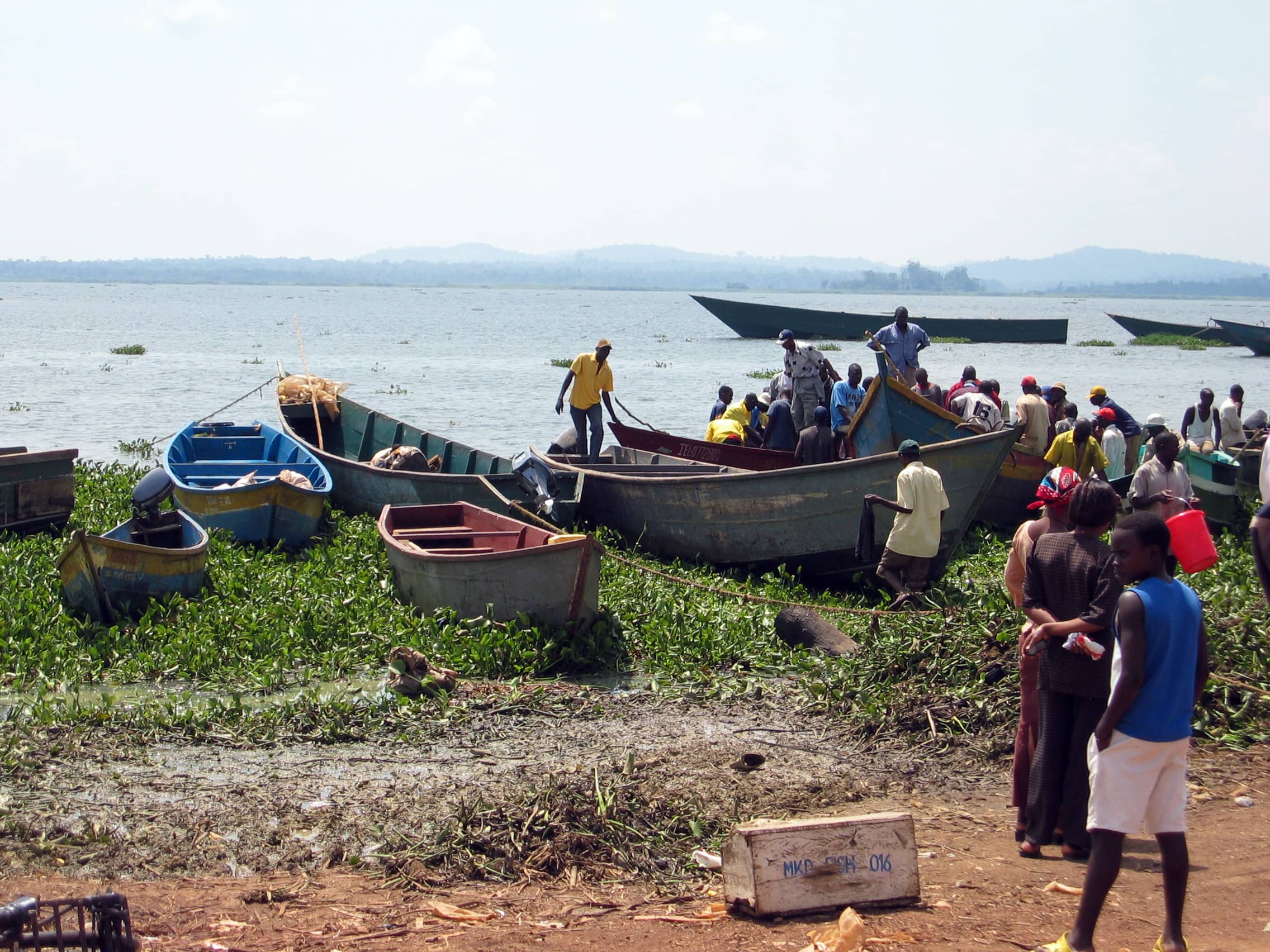
Lake Victoria is a true titan among lakes, uniquely shared by Tanzania, Uganda, and Kenya. As the largest lake in Africa and the second-largest freshwater lake in the world, it spans approximately 68,800 square kilometres.
With an average depth of 40 meters and a maximum depth of 84 meters, this freshwater giant is not just a geographical marvel—it’s a lifeline for millions across East Africa. From providing drinking water to supporting thriving fishing industries, Lake Victoria is as vital as it is vast.
Read more: Is Kenya better than Tanzania for Safari? Combine a Kenya and Tanzania Safari
Source: Wikipedia
Key Features
Biodiversity: Lake Victoria is a natural wonder teeming with life, making it a cornerstone of East Africa’s ecology and economy. The lake is home to many fish species, with the Nile perch stealing the spotlight as a key player in the local fishing industry. But the aquatic life doesn’t stop there—Lake Victoria also supports a diverse bird population, including the iconic African fish eagle. Whether you’re a wildlife enthusiast or a casual observer, the lake’s thriving ecosystem is sure to leave you in awe.
Islands: Scattered across Lake Victoria are numerous islands, each with its own unique charm. Among the most famous are the Ssese Islands in Uganda, known for their lush vegetation, tranquil beaches, and serene atmosphere. These islands are perfect for travellers seeking a peaceful retreat or an opportunity to explore untouched natural beauty. They also offer a glimpse into the traditional lifestyles of local communities, many of whom rely on the lake for their daily needs.
Cultural Significance: Beyond its natural beauty, Lake Victoria holds immense cultural significance for the people of East Africa. It’s not just a source of water and food—it’s a vital transportation route that connects remote communities and facilitates trade across the region. For travellers, Lake Victoria offers more than stunning landscapes and wildlife; it’s a chance to engage with the rich cultural heritage of the communities that call its shores home.
Activities
-
Boat Cruises: Explore the lake’s vast expanse and visit its many islands. Whether you’re hopping between the Ssese Islands or simply enjoying the view, a boat cruise is a must.
-
Fishing: Try your hand at sport fishing or visit local fishing villages to learn about traditional methods. Who knows? You might even catch a Nile perch!
-
Birdwatching: With its diverse bird population, Lake Victoria is a paradise for bird enthusiasts. Don’t forget your binoculars!
2. Lake Tanganyika: The Deep Blue Jewel
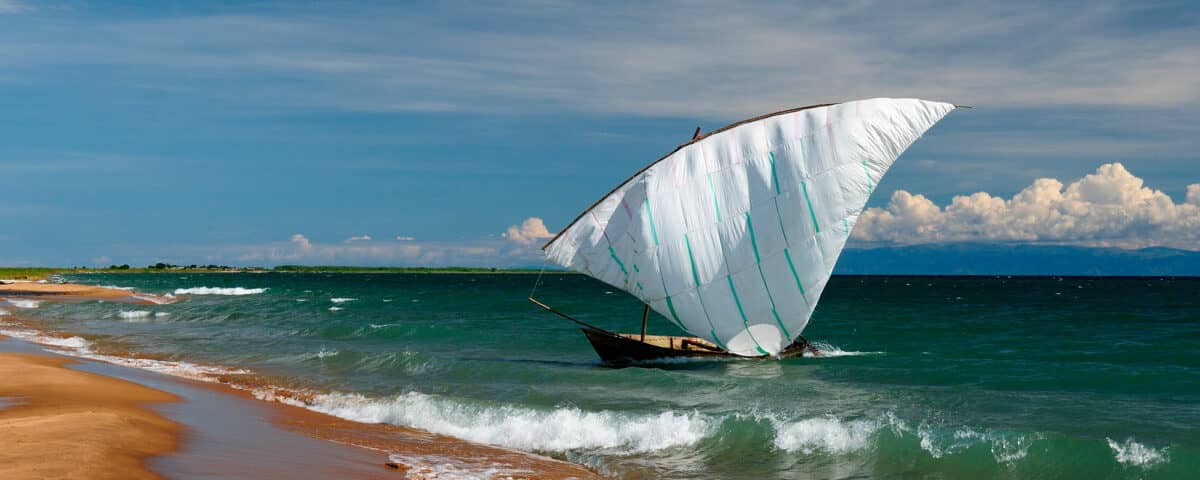
Lake Tanganyika is one of Africa’s most remarkable natural treasures, shared by four countries: Tanzania, the Democratic Republic of Congo, Burundi, and Zambia. Spanning approximately 32,900 square kilometres, it’s the second-largest lake in Africa by volume and the longest freshwater lake in the world. But what really sets it apart is its depth—reaching a maximum of 1,470 meters, it’s the second-deepest lake globally, surpassed only by Siberia’s Lake Baikal. This immense depth gives the lake its stunning clarity and unique ecological characteristics.
Source: Zambia Tourism
Key Features
Biodiversity: Lake Tanganyika is a biodiversity hotspot famous for its aquatic life. The lake is home to hundreds of endemic cichlid species, many of which are found nowhere else on Earth. These colourful fish have adapted to the lake’s unique environment over millions of years, making it a paradise for snorkelers and divers. The crystal-clear waters provide excellent visibility, allowing visitors to marvel at the vibrant underwater world teeming with life.
Scenic Beauty: Beyond its aquatic wonders, Lake Tanganyika is surrounded by breathtaking landscapes. Steep mountains and lush forests frame the lake, creating a dramatic and tranquil atmosphere. The combination of deep blue waters and verdant surroundings offers stunning views that captivate travellers and photographers alike. Whether you’re exploring the shoreline, hiking through nearby forests, or simply relaxing by the water, the scenic beauty of Lake Tanganyika is sure to leave a lasting impression.
Activities
-
Snorkelling and Diving: Dive into the lake’s vibrant underwater world and discover its colourful cichlids and other aquatic life.
-
Beach Relaxation: Unwind on the sandy beaches and soak in the serene atmosphere.
-
Cultural Tours: Visit local communities to learn about their traditions and way of life. It’s a chance to connect with the people who call this stunning region home.
3. Lake Malawi: The Underwater Wonderland
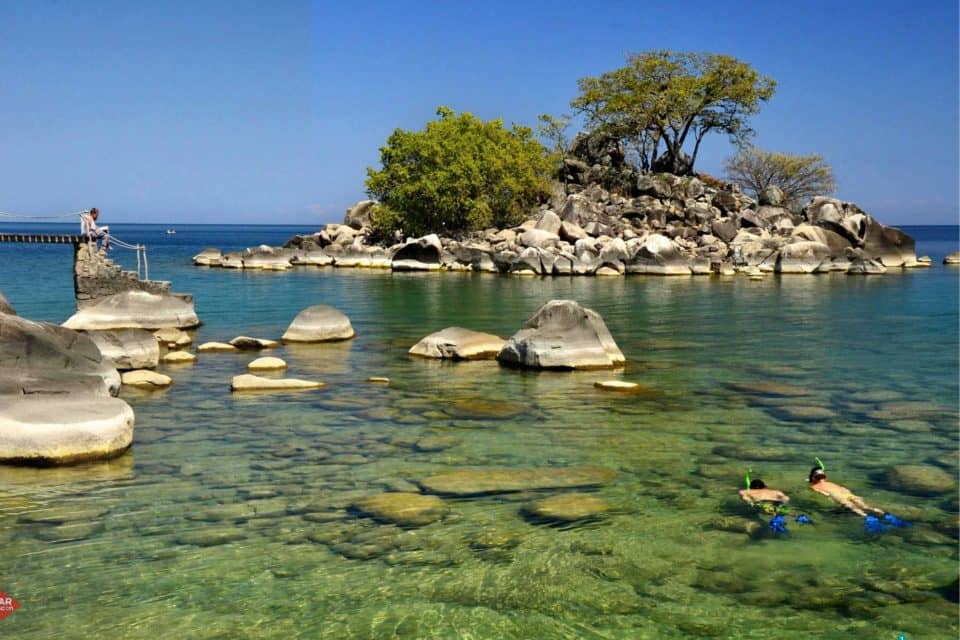
Shared by Malawi, Mozambique, and Tanzania, Lake Malawi is the third-largest lake in Africa, covering approximately 29,600 square kilometres. With a maximum depth of 706 meters, it’s not just big—it’s also deep, both in size and in the experiences it offers.
Source: Underwater360
Key Features
Lake Malawi is like the overachiever of lakes. It’s a UNESCO World Heritage Site, thanks to its mind-blowing biodiversity. The lake is home to over 1,000 species of cichlid fish, most of which you won’t find anywhere else on the planet. Think of it as an underwater art gallery, where the fish are the colourful masterpieces. Above the water, the lake is framed by mountains and lush greenery, making it a postcard-perfect destination.
Activities
If you’re into water sports, Lake Malawi is your playground. Kayaking and snorkelling are must-dos here—imagine gliding over crystal-clear waters while vibrant fish dart beneath you.
Prefer to keep it chill? The sandy beaches are perfect for lounging with a good book or soaking up the sun.
And if you’re curious about local culture, take a trip to the lakeside villages to learn about traditional crafts and daily life.
4. Lake Turkana: The Jade Sea
Located in northern Kenya (with a small slice in Ethiopia), Lake Turkana is the largest permanent desert lake in the world, spanning about 6,405 square kilometres. It’s also known as the “Jade Sea” because of its striking blue-green colour, which looks like something out of a fantasy movie.
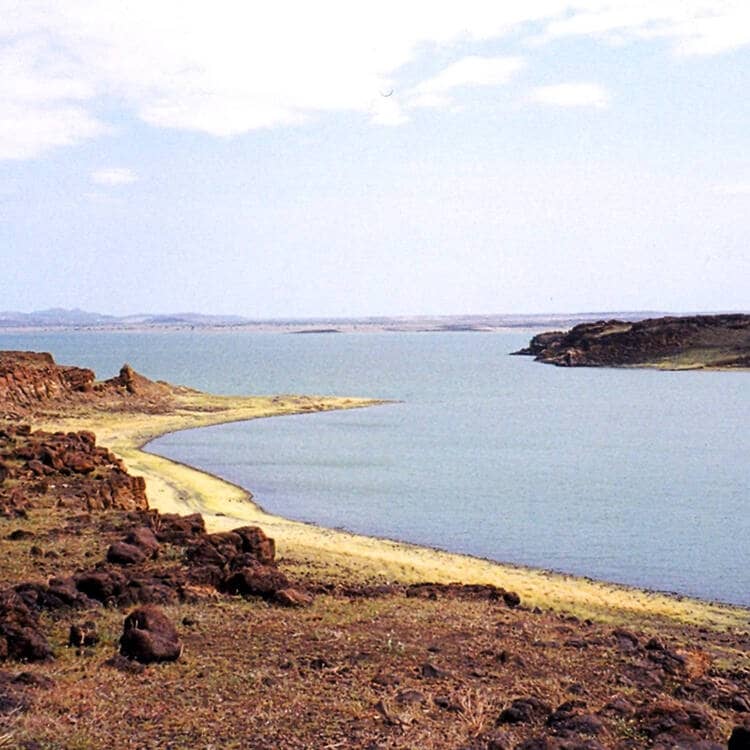
Source: UNESCO
Key Features
Lake Turkana isn’t just pretty—it’s also a UNESCO World Heritage Site with a fascinating history. The lake is a hotspot for archaeologists, thanks to sites like Koobi Fora, where some of the earliest human fossils have been discovered. It’s also home to Nile crocodiles and various fish species, making it a biodiversity hotspot.
Activities
For adventurous souls, Central Island National Park is a must-visit. This volcanic island in the middle of the lake is like a mini Jurassic Park, complete with craters and wildlife.
Fossil enthusiasts will geek out at Koobi Fora, where you can learn about early human history. And if you’re a birdwatcher, bring your binoculars—the lake is a haven for birdlife.
5. Lake Naivasha: The Hippo Haven
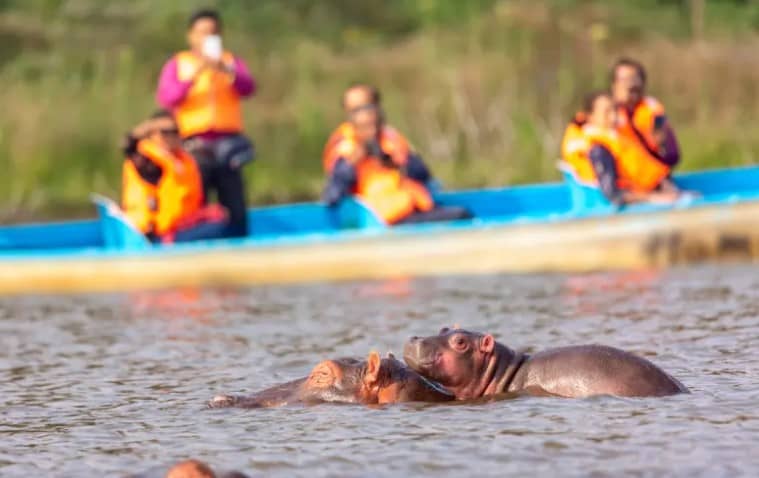
Nestled in Kenya, Lake Naivasha covers approximately 139 square kilometres and has an average depth of 6 meters. It’s a freshwater lake surrounded by lush vegetation, making it a favourite spot for wildlife and travellers.
Source: Lemaiyan Suites
Key Features
Lake Naivasha is famous for its hippos, which you can often see lounging in the water or grazing on the shores. The lake is also a birdwatcher’s paradise, with species like fish eagles making regular appearances. The surrounding landscapes are equally stunning, with rolling hills and acacia trees adding to the scenic beauty.
Activities
Take a boat ride to get up close with the hippos and other wildlife. If you feel more active, head to Hell’s Gate National Park to hike amidst dramatic landscapes. And don’t forget your camera—the lake’s serene beauty is Instagram gold.
6. Lake Nakuru: The Flamingo Fiesta
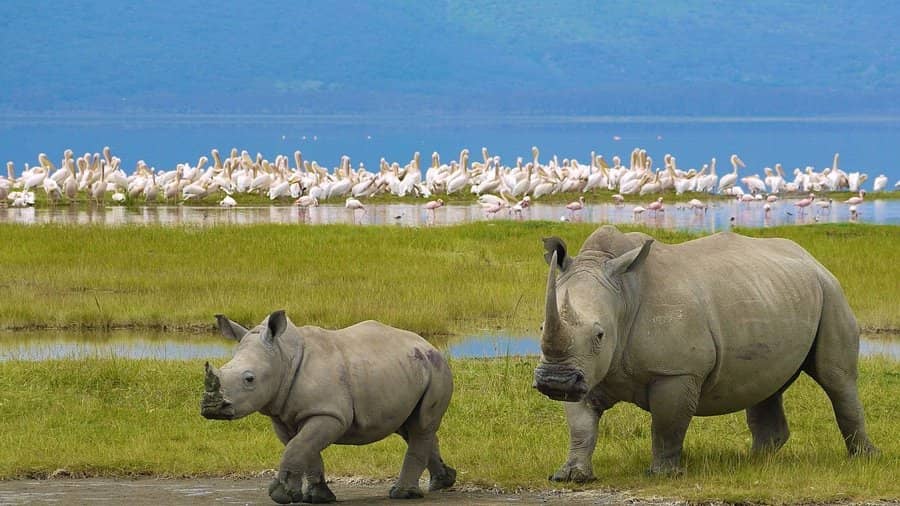
Also in Kenya, Lake Nakuru is part of the Great Rift Valley and covers about 40 square kilometres. It’s relatively shallow, with an average depth of 2.5 meters, but don’t let its size fool you—it packs a punch when it comes to wildlife.
Source: Tripadvisor
Key Features
Lake Nakuru is famous for its flamingos, which gather in the thousands, turning the lake into a sea of pink. But that’s not all—the lake is also home to rhinos, lions, and a variety of other wildlife, making it a mini safari destination.
Activities
Game drives are the main attraction here, offering a chance to spot the Big Five and more. Birdwatchers will be in heaven, with countless species to admire. Just remember to bring your binoculars and a sense of wonder.
7. Lake Bogoria: The Geyser Getaway
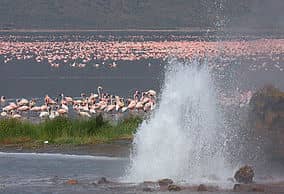
Another Kenyan gem, Lake Bogoria, spans about 34 square kilometres and is known for its hot springs and geysers. It’s a saline lake, making it a favourite spot for flamingos.
Source: Wikipedia
Key Features
Lake Bogoria is like nature’s spa, with hot springs and geysers perfect for a relaxing soak. The lake’s alkaline waters also attract flamingos, adding a splash of colour to the already stunning landscape.
Activities
Hiking around the lake offers breathtaking views, and soaking in the hot springs is a must-do. Birdwatchers will love the chance to spot flamingos and other species. It’s the perfect blend of adventure and relaxation.
8. Lake Bunyonyi: The Swiss Slice of Africa
Located in Uganda, Lake Bunyonyi covers approximately 46 square kilometres and is one of the deepest lakes in Africa, with a maximum depth of 44 meters. Its terraced hills and clear waters have earned it the nickname “Switzerland of Africa.”
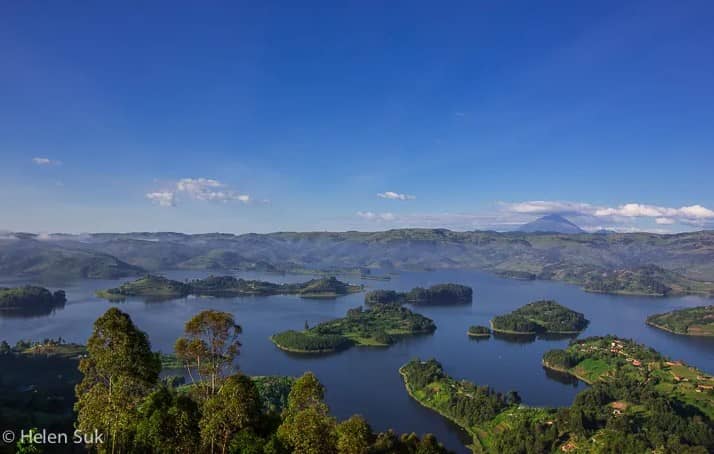
Source: Not Without My Passport
Key Features
Lake Bunyonyi is all about serenity and beauty. The lake’s clear waters and surrounding hills create a peaceful atmosphere perfect for unwinding. It’s also home to various bird species, making it a birdwatcher’s dream.
Activities
Canoeing is a popular way to explore the lake, allowing you to take in the stunning scenery at your own pace. Hiking around the lake is another great option, with plenty of scenic spots to discover. And if you’re interested in local culture, visit the nearby communities to learn about their traditions and way of life.
9. Lake Kivu: The Relaxation Retreat
Shared by Rwanda and the Democratic Republic of Congo, Lake Kivu covers approximately 2,700 square kilometres and has a maximum depth of 480 meters. It’s known for its serene beauty and lack of dangerous wildlife, making it a great relaxing spot.
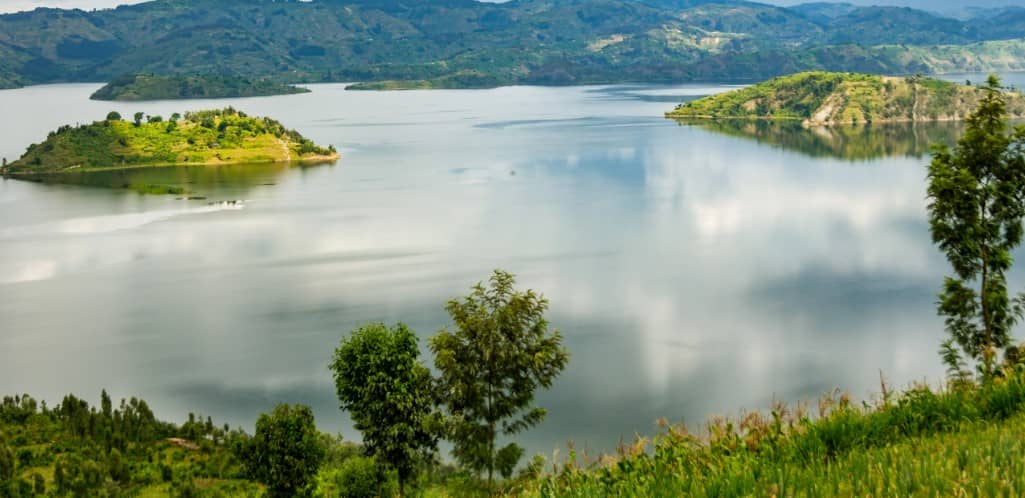
Source: African Business
Key Features
Lake Kivu is all about tranquillity. The lake’s clear waters and surrounding landscapes offer stunning views and a peaceful atmosphere. It’s also an excellent spot for water sports, with plenty of opportunities for kayaking and boat trips.
Activities
Kayaking is a popular activity here, allowing one to explore the lake’s waters and enjoy the scenic views. Boat trips are another great option, providing a relaxing way to take in the beauty of the lake. And if you’re a coffee lover, don’t miss the chance to visit local coffee plantations and learn about the region’s coffee production.
10. Lake Eyasi: The Cultural Gem
Located in Tanzania, Lake Eyasi covers approximately 1,050 square kilometres and is a seasonal salt lake. It’s located near the Ngorongoro Conservation Area and is home to the Hadzabe and Datoga tribes.
Key Features
Lake Eyasi is more than just a lake—it’s a cultural treasure. The Hadzabe and Datoga tribes have lived in the area for thousands of years, and visiting them offers a unique glimpse into their traditions and way of life. The lake’s alkaline waters and surrounding landscapes provide stunning views and a peaceful atmosphere.
Activities
Cultural tours are the main attraction here, offering a chance to learn about the Hadzabe and Datoga tribes and their way of life. Birdwatchers will also love the opportunity to spot a variety of species. It’s a unique blend of culture and nature that’s not to be missed.
Tips for Traveling to East Africa’s Lakes
Now that you’re hooked on the idea of visiting these incredible lakes let’s talk about how to make your trip as smooth as possible. Here are some tips to keep in mind:
1. Timing is Everything
The dry seasons (June-October and December-February) are the best times to visit East Africa’s lakes. The weather is more predictable, and wildlife viewing is at its peak. Plus, you’ll avoid the muddy roads that can make travel tricky during the wet seasons.
2. Health is Wealth
Many lake regions are malaria-prone, so take prophylactic medication and use mosquito repellent. Also, be cautious of bilharzia (schistosomiasis), a parasitic disease found in freshwater lakes. Avoid swimming in stagnant water as they may have harmful bacteria, and always check local health advisories. And don’t forget to get your vaccinations—yellow fever, typhoid, and hepatitis A are must-haves.
3. Local Guides are Gold
Hiring a local guide can make your trip infinitely better. They’ll help you navigate the area and provide insights into the lake's ecology, culture, and history. Plus, they can help you avoid potential pitfalls, like getting too close to a hippo (trust me, you don’t want to do that).
4. Respect the Environment
East Africa’s lakes are fragile ecosystems, so practice responsible tourism. Minimise waste, avoid single-use plastics and respect wildlife. Remember, you’re a guest in their home.
Read more: Sustainable Travel: How to Travel Sustainably in Africa
5. Pack Smart
Bring lightweight, breathable clothing for the day and warmer layers for cooler evenings. Don’t forget a hat, sunglasses, and sunscreen. Comfortable walking shoes or hiking boots are a must, especially if you plan to explore on foot. And if you’re into birdwatching, binoculars are a must.
Read more: What to Pack for a Safari in Kenya
6. Transportation Tips
Some lake areas have poor road conditions, especially during the wet season. Consider hiring a 4x4 vehicle for better mobility. And when using boats, make sure they’re well-maintained and have life jackets on board.
7. Accommodation Advice
Many lakes have lodges and campsites that offer a range of accommodations, from luxury lodges to budget-friendly campsites. Popular destinations can fill up quickly, so book your accommodations well in advance.
8. Cultural Sensitivity
Take the opportunity to visit local communities and learn about their way of life. It’s a profoundly enriching experience. And always ask for permission before taking photos of people or their property.
Read more: Kenya Travel Tips: Navigating Kenya's Cultural Etiquette
Frequently Asked Questions (FAQ)
How Many Lakes Are in East Africa?
East Africa is blessed with over 30 significant lakes, each with its own unique ecosystem and attractions.
What Are the Seven African Great Lakes?
The African Great Lakes are a series of lakes located in and around the East African Rift Valley. They are:
-
Lake Victoria – The largest tropical lake in the world and a key resource for the region.
-
Lake Tanganyika – The second-deepest lake globally, known for its unique biodiversity.
-
Lake Malawi (Lake Nyasa) – Famous for its crystal-clear waters and diverse fish species.
-
Lake Turkana – The world’s largest permanent desert lake, known as the “Jade Sea.”
-
Lake Albert – Part of the Nile River system, offering rich fishing opportunities.
-
Lake Edward – Known for its rich biodiversity and scenic beauty.
-
Lake Kivu – Renowned for its methane gas reserves and tranquil waters.
What Are the Two Large Lakes Located in Eastern Africa?
The two largest lakes located in East Africa are Lake Victoria and Lake Tanganyika.
What Is the Largest Lake in the EAC?
The largest lake in the East African Community (EAC) is Lake Victoria.
Plan Your East African Adventure with Africa Marvel Tours
Exploring East Africa’s lakes is an unforgettable experience, but planning the perfect itinerary can be overwhelming. That’s where Africa Marvel Tours comes in! As experts in tailor-made East Africa safari experiences, we help travellers discover the best of East Africa—whether you want to witness the flamingos of Lake Nakuru or relax by the shores of Lake Bunyonyi, we’ve got you covered.
Conclusion
East Africa’s lakes are more than just bodies of water—they’re gateways to adventure, culture, and natural beauty. Whether you’re exploring the flamingo-filled shores of Lake Nakuru, kayaking on the serene waters of Lake Bunyonyi, or marvelling at the vastness of Lake Victoria, each lake offers a unique experience. With this guide, you’re now equipped to plan an unforgettable journey to the lakes of East Africa. So pack your bags, grab your camera, and get ready to explore one of the most stunning regions on Earth!