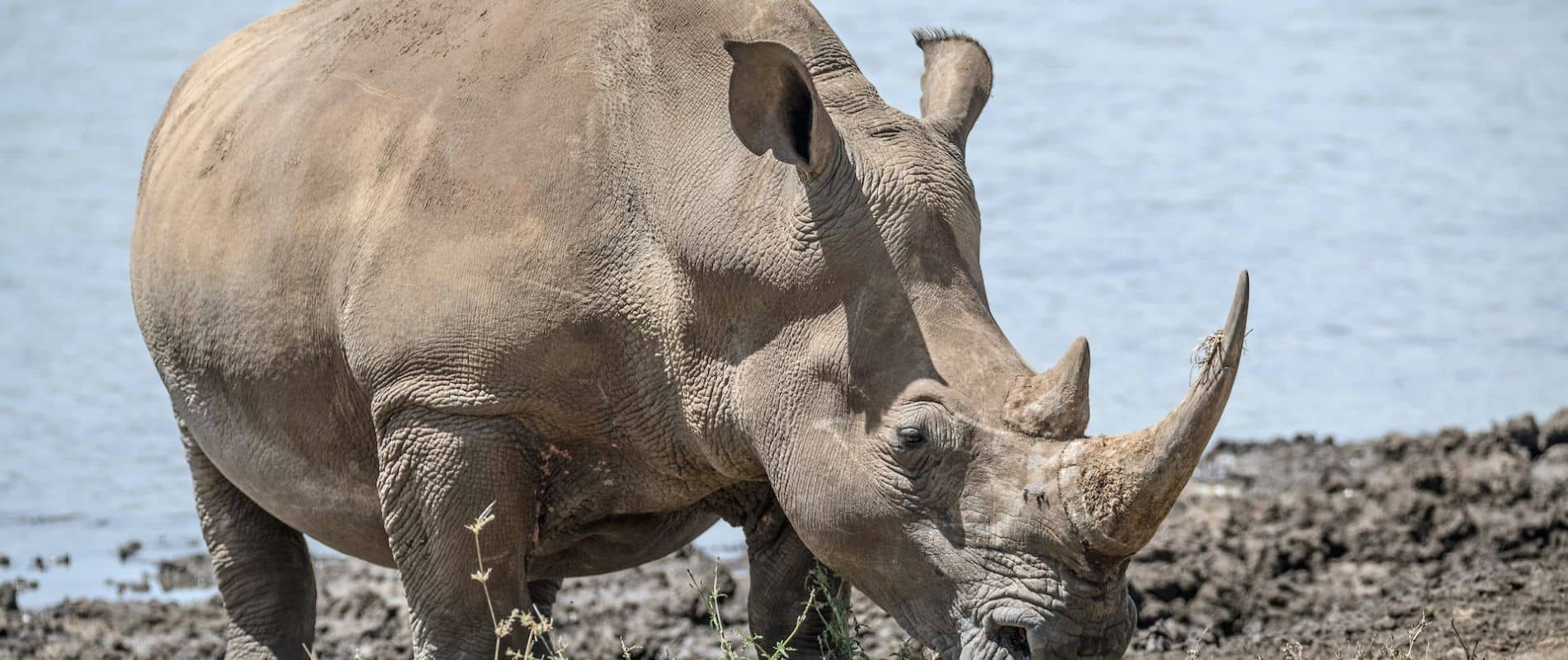
When it comes to iconic wildlife experiences in Africa, the African rhino is a must-see member of the Big Five.
But what exactly is the Big Five? This is a term that initially came from hunting expeditions involving the most challenging and highly-prized animals to spot in Africa.
Today, wildlife enthusiasts and tourists take numerous African safaris not to hunt but to observe and protect these incredible creatures.
In this comprehensive guide, we will delve into everything you need to know about the African rhino, from its unique physical characteristics to its habitat, behaviour, diet, and the best places to encounter these magnificent beasts during your African safari tours.
Read more: The Big Five: Everything You Need To Know About The African Elephant
What is the African Rhino?
The African rhinoceros, often simply referred to as the African rhino, is a majestic and prehistoric-looking creature belonging to the family Rhinocerotidae. There are two species of African rhinos: the Black Rhino (Diceros bicornis) and the White Rhino (Ceratotherium simum).
However, their names are not a reflection of their skin colour. Both species are actually greyish in colour.
Habitat
African rhinos are a common feature in a variety of habitats across the continent. Black rhinos are more popular in savannas and grasslands, while white rhinos are normally found in grassy plains and savannas. These habitats provide them with ample grazing opportunities, as rhinos are herbivores with a voracious appetite for vegetation.
Behaviour
Rhinos, especially the bulls (males), are solitary in nature, but once in a while, you’ll see the cows (females) in small groups. One of the most striking aspects of rhino behaviour is their territorial nature, with each individual fiercely defending its own territory.
Rhinos communicate with each other through a combination of vocalizations, including grunts and snorts, and by marking scents. They use their prehensile upper lips to grasp and pluck vegetation, making them appear as if they are "mowing" the grass.
Diet
African rhinos are herbivores whose diet is primarily composed of grasses and other plant material. Their large size and muscular jaws allow them to graze extensively, and they are known to consume a significant amount of vegetation daily.
White rhinos have wide mouths adapted for grazing, so they primarily feed on grasses. The black rhinos have more pointed upper lips, which they use to grasp leaves and twigs from shrubs and trees.
Their herbivorous diet plays a vital role in shaping the ecosystem by controlling vegetation growth, which in turn affects the availability of food for other herbivores.
Best Places to See African Rhinos
If you want to spot African rhinos during your Big Five safari, there are several regions and national parks that you should consider visiting.
Read more: The Big Five: Everything You Need To Know About The African Lion
Here are some of the best places to encounter these remarkable creatures:
-
Lewa Wildlife Conservancy, Kenya: This private conservancy has successfully reintroduced both black and white rhinos to the region. Visitors can take part in rhino-tracking excursions led by experienced guides.
-
Kruger National Park, South Africa: Kruger is one of the most renowned national parks in Africa and offers fantastic chances to see both white and black rhinos. Dedicated rhino conservation efforts have played a pivotal role in protecting these animals here.
-
Etosha National Park, Namibia: Etosha's open plains and waterholes provide excellent opportunities to witness white rhinos in their natural habitat. The park's unique landscape makes for stunning wildlife photography.
-
Hluhluwe-iMfolozi Park, South Africa: Known as the "Home of the Rhino," this park in KwaZulu-Natal is a leading destination for rhino conservation. It is home to a significant population of both black and white rhinos.
Fun African Rhino Facts
While African rhinos may not be as well-known as some other members of the Big Five, they have their own unique qualities that make them fascinating to learn about:
-
Rhinos are known for their impressive horn, which is made of keratin, the same substance as human hair and nails.
-
Contrary to popular belief, both black and white rhinos have two horns, though the white rhino's front horn is usually longer.
-
Rhino populations have faced significant threats from poaching for their horns, which are falsely believed to possess medicinal properties in some cultures.
-
Despite their formidable appearance, rhinos are often described as gentle giants, and their conservation is critical for preserving Africa's biodiversity.
In conclusion, the African rhino is a vital part of the Big Five and a symbol of Africa's diverse and unique wildlife. Their solitary yet territorial behaviour, massive size, and herbivorous diet make them a captivating subject for wildlife enthusiasts and conservationists.
If you're planning an African safari, be sure to include rhino tracking on your itinerary to witness these incredible creatures and contribute to their conservation efforts.
Ultimately, experiencing the African rhino in the wild is not only an adventure but also an opportunity to be part of the conservation story that safeguards these magnificent animals for future generations.
Want to see an African rhino in real life? Contact us today, and we'll take you on an adventurous Africa safari trip, where you'll see not only the African rhino but all the other big five animals as well!