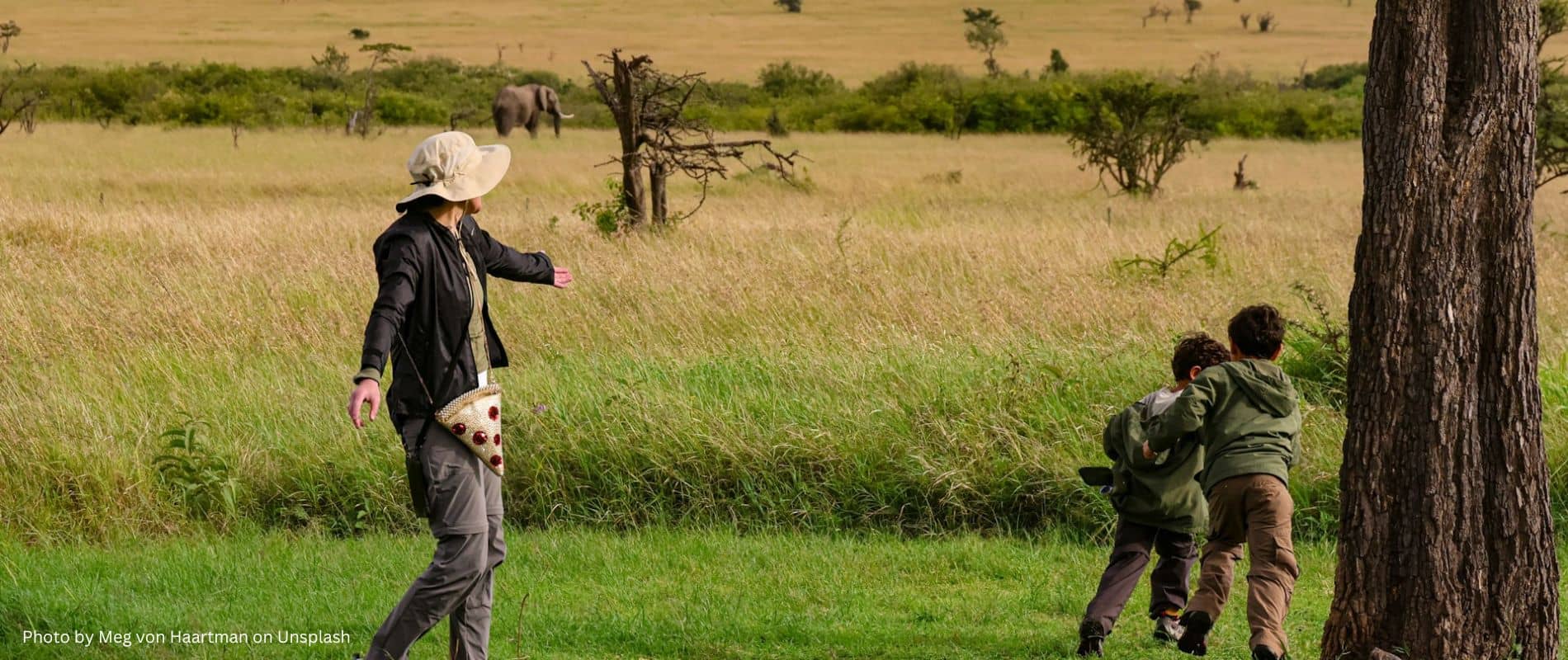
Picture the awe on your children's faces as they stand on the sun-dappled savannah, the distant roar of a lion echoing through the air, and they spot their first elephant herd. It's a moment of pure wonder and discovery.
A family safari is more than a vacation; it's a transformative adventure that strengthens the bond between loved ones, instils curiosity, and creates indelible moments.
Planning a family safari can be such a daunting task, but when done right, it will truly be seamless and rewarding.
Whether you're a meticulous planner or more of a 'let's wing it' adventurer, this guide is here to provide support and walk you through every step of the process to make your African adventure as magical as it is manageable.
Understand Your Family's Needs: What Are The Dynamics?
Every family is a world of its own. Start by assessing the dynamics:
-
Age Matters: Travelling with toddlers? You'll need shorter activities and downtime for naps. Got teenagers? Brace yourself for a mix of eye-rolls and bursts of excitement when they spot a lion.
-
Special Needs: Whether it's dietary restrictions, mobility concerns, or an insatiable desire to spot cheetahs, understanding your family's needs sets the foundation for your itinerary.
-
Energy Levels: Some families thrive on action-packed days, while others prefer a slower pace. Be honest about what will work to avoid mid-safari meltdowns (from kids or parents).
Set Clear Goals: Why Do You Want to Go for an African Safari?
What's the dream? Is it hearing the thunder of hooves during the Great Migration or learning about Maasai culture firsthand? Defining your goals early helps streamline decisions:
-
Wildlife Enthusiasts: If spotting the Big Five is on your bucket list, focus on parks like the Masai Mara or Amboseli.
-
Cultural Explorers: Are you keen to learn about the rich traditions of East Africa? Include stops at cultural villages or community projects.
-
Nature Lovers: Some just want to bask in the beauty of untouched landscapes and serene lodges
Pro Tip: Having multiple goals, such as combining a Kenya and Tanzania safari, is okay, but prioritise to avoid feeling stretched.
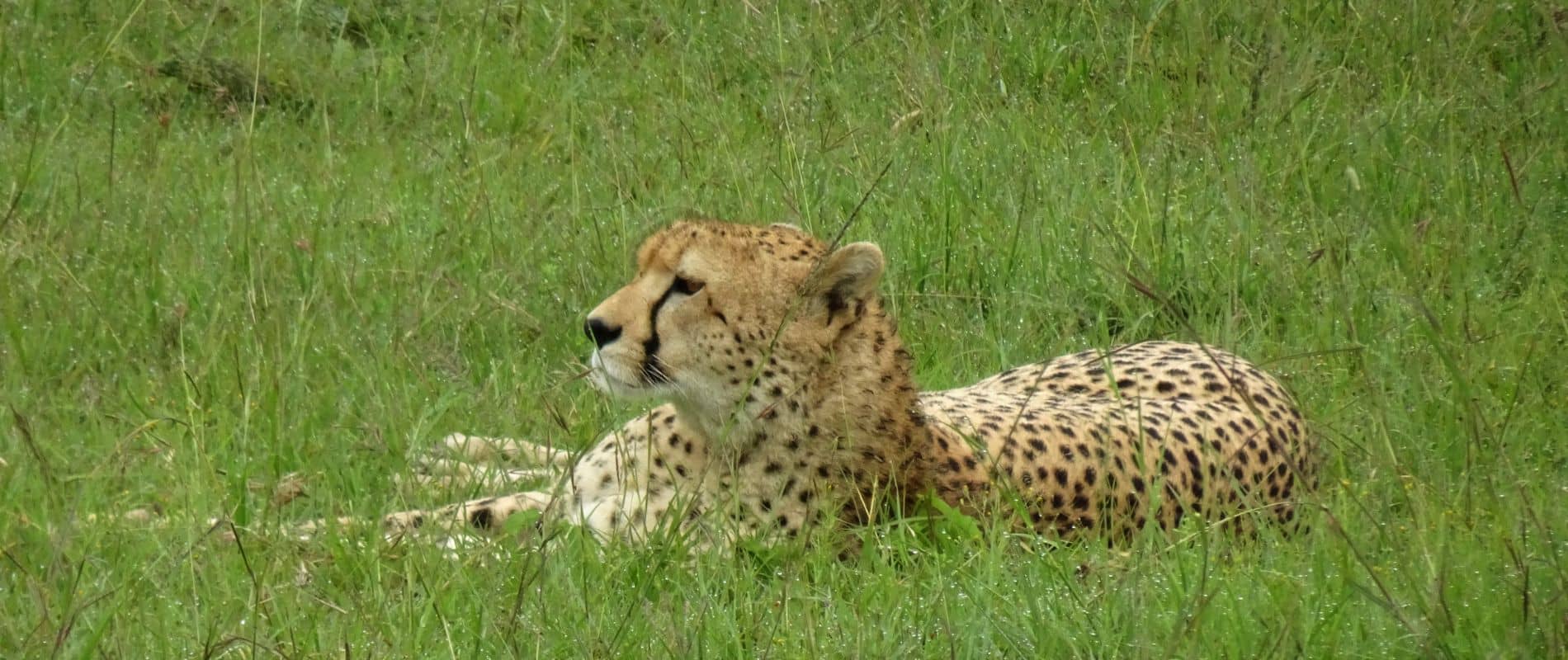
Read more: The Big Five: Everything You Need To Know About The African Leopard
Research Destinations: Where is the Best Place for a Family Safari?
Africa's a big place, but Kenya has a knack for making families feel right at home. Here's why:
-
Varied Experiences: From the open plains of the Masai Mara to the lakes of the Rift Valley, Kenya offers a host of family-friendly activities.
-
Educational Opportunities: Kids can learn about Africa's ecosystems, wildlife, and cultures in a very interactive environment. Many guides are trained to engage young travellers with fun facts and interactive activities.
-
Specialised Lodges: Several lodges are actually geared for families, with activities such as bushcraft lessons, wildlife tracking, and even junior ranger programs.
Dive into the details of Kenya's top safari hotspots:
-
Masai Mara: The quintessential safari destination. Endless plains, abundant wildlife, and family-friendly lodges make this a no-brainer. Masai Mara is perfect for Big Five sightings and the Great Migration.
-
Amboseli: Home to majestic elephants and the iconic backdrop of Mount Kilimanjaro. It's a photographer's paradise and a kid's favourite.
-
Samburu: If you're craving something off the beaten path, Samburu offers unique species, like the reticulated giraffe and Grevy's zebra, and a quieter experience.
-
Lake Naivasha and Lake Nakuru: These parks are ideal for birdwatching and boat rides, which kids adore.
When researching, dig deep. Look at reviews, check maps, and make a list of your must-see animals. Who knows? Your family might surprise you with niche interests—like finding the elusive aardvark!
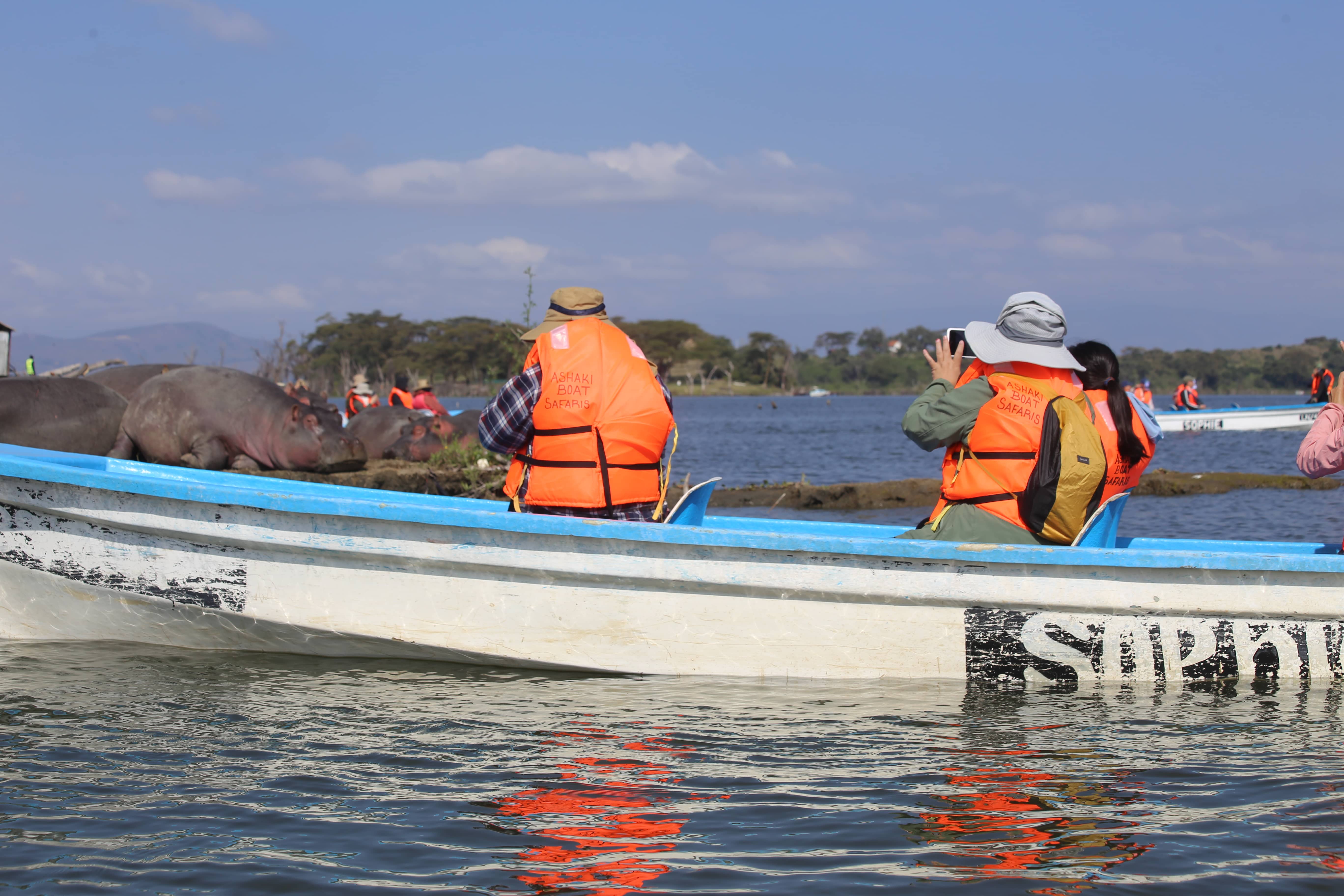
A family on safari in Naivasha.
Budget Like a Pro: How Much is a Safari Trip to Kenya?
Ah, the budget talk—less exciting than spotting a leopard, but just as crucial. Safaris come in all shapes and price tags, so start by defining your comfort zone:
-
What's Included: Some packages cover everything (meals, game drives, guides), while others might have hidden costs. Know what you're paying for!
-
Accommodation Options: Are you into glamping under the stars or a five-star luxury lodge? Both can be incredible, depending on your vibe.
-
Extras Add Up: Think park fees, tips, or that balloon safari you didn't realise you wanted.
A well-planned budget ensures a stress-free safari. Let's break it down:
-
Accommodation: From $200 per night in budget camps to over $1,000 at luxury lodges, the prices vary. Usually, family packages have better deals, so don't forget to ask about children's discounts.
-
Transport: Internal flights save time but cost more than road transfers. Private vehicle hire for game drives is another option to ensure flexibility.
-
Park Fees: Generally, Kenya national park entry fees start from $80 to $200 per adult. Children get discounted rates. Make provision for numerous park visits, as this is going to ensure diverse experiences.
-
Additional Costs: Balloon safaris, village tours, and tips for guides should be factored in. Budget for souvenirs and optional activities.
Procrastinators beware: booking late can mean higher prices, so plan ahead to stretch those shillings.
Budget Tip: Book with a reputable tour operator for transparent pricing and discounts on package deals. Also, consider booking during the shoulder season (April-June, November) for lower rates and fewer crowds. This is an excellent way to experience the magic without breaking the bank.
Read more: How Much Is a Safari Trip to Kenya?
Choose the Right Time to Travel: Best Time to Go on a Family Safari in Kenya
The seasons in Kenya can make or break your trip. Timing is everything:
-
Dry Season (June-October): Wildlife congregates around waterholes, making them easier to spot. Plus, there are fewer bugs!
-
Wet Season (November-May): Lush landscapes, baby animals, and lower prices. Yes, it might rain, but that's why waterproof gear exists.
Expert Insight: Kenya's year-round appeal means there's no wrong time to visit. Align your travel dates with school breaks, but don't sacrifice prime safari conditions for convenience. It's worth making adjustments to catch that wildebeest migration—your kids will thank you for it!
Check out our article What Is the Best Time of Year to Go on Safari in Kenya for the Ultimate Experience?, for more details on the country's climates, tourist seasons, festivals, holidays, and major events.
Consult Reputable Tour Operators: Benefits of Travelling with a Reputable Tour Operator
When it comes to planning African safaris, the DIY approach isn't always your best friend. The right tour operator does more than book hotels:
-
Local Knowledge: They know the best spots, the hidden gems, and how to avoid the tourist traps.
-
Family Focus and Customised Itineraries: Look for operators who have experience in planning safaris for families. This will come in handy in combining adventure with comfort.
-
Expert Guides: Knowledgeable guides enhance your safari with insights and safety measures.
-
Peace of Mind: From safety concerns to handling logistics, a good operator has your back so you can focus on making memories.
Ask around, check reviews, and don't settle for less-than-stellar service. This is your family adventure, after all!
Get Your Ducks (and Documents) in a Row: What Documents Do You Need to Travel to Kenya?
No one wants a "home alone" moment at the airport because someone forgot a passport. Tick off these essentials early:
-
Passports and Visas: Ensure everyone's documents are valid and meet Kenya's entry requirements. Apply for Kenyan visas online (e-visas make it easy).
-
Vaccinations: Consult your doctor or travel clinic. Yellow fever vaccines are commonly recommended, along with malaria prevention.
-
Insurance: Travel insurance is a non-negotiable—peace of mind for those "just in case" moments.
Involve the Kids: It Is a Family Affair After All
Safari planning isn't just for grown-ups! Engaging your children in the process builds anticipation and ensures they're just as invested:
-
Animal Bingo: Make a checklist of wildlife they might spot.
-
Documentaries and Books: Watch or read age-appropriate content about African wildlife and cultures.
-
Packing Together: Let them help pack their own safari kits. Binoculars? Check. Favourite stuffed animal? Double check. Here's a comprehensive guide on what to pack for a safari in Kenya.
Is a Safari in Kenya with Children Safe?
Safety is a top priority for family safaris. Here's how Kenya delivers peace of mind:
-
Health Measures: Ensure your family has the necessary vaccinations and carries malaria prevention medication. Child-friendly mosquito repellents and sunscreen are a must.
-
Trained Guides: Expert guides know how to keep you safe during game drives and other activities. They are trained in managing close wildlife encounters and keeping a safe distance from the animals.
-
Secure Accommodations: Many of the lodges are fenced in and have 24/7 security so you can relax in comfort.
Conclusion
Planning a family safari is an opportunity to create unforgettable memories, inspire a love for nature, and foster deep connections among loved ones. By understanding your family's needs, setting well-defined goals, and taking the services of a reputable tour operator will help you design a safari experience that is as enriching as it is exciting.
With its prolific wildlife, accommodation that caters specifically for families, and its diverse landscapes, Kenya is the definitive family safari destination. From witnessing the Great Migration in the Masai Mara to elephants in Amboseli, cultural interactions in Samburu-every moment out of this world.
Ready to start planning? Let Africa Marvel Tours plan a customized safari for your family. Call today for your personalized consultation!
The adventure awaits the vast plains of Kenya!